

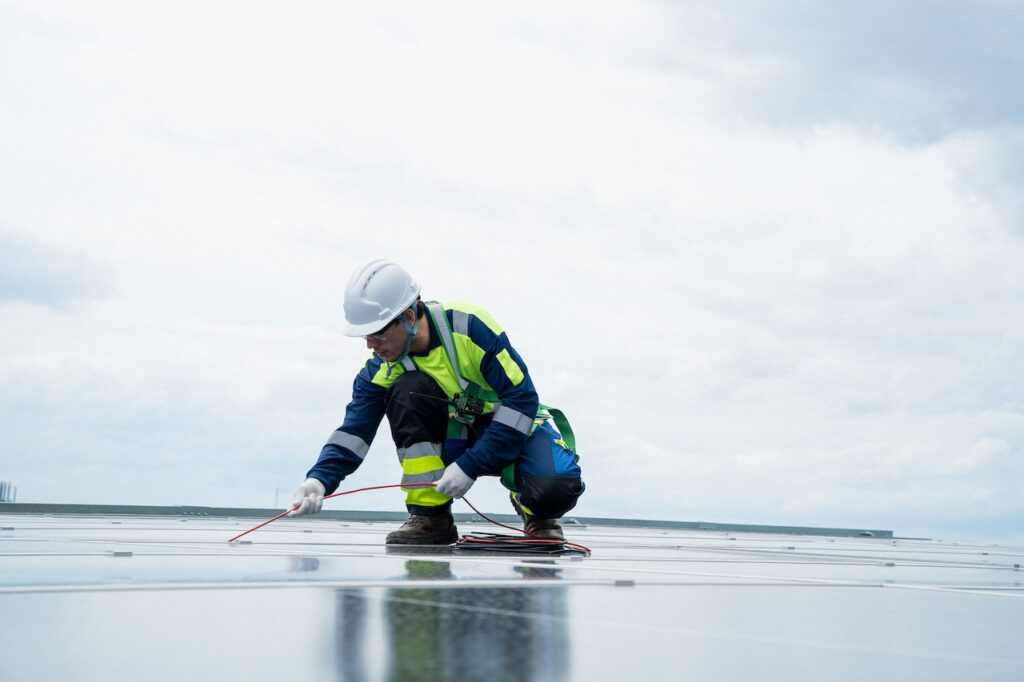
Quick answer: A commercial roof inspection in Southern California before El Niño season helps catch failing drains, ponding water, and worn flashing before heavy rain turns them into costly leaks. Checking these roofing issues now, rather than after the first storm hits, saves property owners from emergency calls, tenant complaints, and expensive water damage later.
El Niño winters bring more than the usual Southern California drizzle. According to NOAA’s Climate Prediction Center, El Niño years have historically pushed regional rainfall above normal, sometimes doubling typical seasonal averages in parts of the state. For commercial property owners, that shift is reason enough to schedule a commercial roof inspection in Southern California before the first major storm rolls through.
Flat and low-slope roofs, the kind found on most warehouses, retail centers, and office buildings, don’t shed water the way sloped residential roofs do. Every drain, seam, and penetration becomes a potential entry point once rain starts pooling instead of running off.
Why a Commercial Roof Inspection in Southern California Matters Before Winter
Most Southern California roofs spend the majority of the year under dry, sunny skies. That’s exactly why small cracks, loose flashing, and clogged drains often go unnoticed until a storm exposes them. A commercial roof inspection in Southern California catches these issues while repairs are still simple and inexpensive.
Waiting until after the rain starts means working around active leaks, soaked insulation, and tenants who are understandably frustrated. Catching problems beforehand keeps your building, and your budget, out of crisis mode.
What to Check Before the Rain Starts
A thorough inspection should cover every part of the roof system that interacts with water. Here’s what our team at Capital Roofing Partners looks at during a commercial roof inspection:
- Drains and Scuppers: Clear away debris, leaves, and sediment that build up over the dry season, since clogged drainage is a common cause of roof failure.
- Ponding Areas: Standing water that lingers more than 48 hours after rain adds weight and accelerates membrane breakdown.
- Flashing: Check around rooftop edges, walls, and transitions for gaps, rust, or separation that let water sneak underneath.
- Seams: Inspect for lifting, cracking, or loose adhesion, especially on older single-ply membranes.
- Penetrations: Look closely around vents, pipes, and HVAC units, where seals commonly wear thin.
- Previous Leak Areas: Revisit any spot that’s leaked before, along with any roofing material that already shows visible wear.
Your “Before El Niño” Checklist
Keep this roof maintenance list handy as you walk the roof or hand it off to your maintenance team:
- Clear all drains and scuppers of debris
- Mark and monitor ponding areas
- Inspect flashing at every roof-to-wall transition
- Check seams for lifting or separation
- Examine penetrations and seal any gaps
- Document and repair prior leak locations
- Schedule a professional inspection before the first major storm
Why Small Roof Problems Grow Once the Rain Starts
A pinhole-sized gap in flashing might not seem urgent in October. But once repeated storms start saturating the roof, that same gap can let in gallons of water, weakening insulation and ceiling tiles below. What starts as a minor fix often becomes a full repair job by January.
Repeated freeze-thaw-style cycles of rain and drying also stress roofing materials that are already aging. If your roof has gone a few years without attention, pairing an inspection with routine upkeep helps you avoid being caught off guard mid-storm.
Frequently Asked Questions
How often should I schedule a commercial roof inspection in Southern California?
Most property owners benefit from inspecting their roof twice a year, with one visit timed before the rainy season. Buildings with older roofs or a history of leaks may need more frequent checks.
Can I inspect my commercial roof myself?
A quick visual walk-through is useful for spotting obvious debris or standing water, but trained eyes catch issues like hairline seam separation or early membrane wear that aren’t always visible to an untrained observer.
What happens if I skip a pre-storm inspection?
Skipping an inspection means small issues, like a clogged scupper or lifted seam, are more likely to turn into active leaks once heavy rain arrives, often leading to costlier repairs and possible interior damage.
How long does a commercial roof inspection take?
Most inspections take a few hours, depending on roof size and accessibility. You’ll typically receive a detailed report outlining any problem areas and recommended next steps shortly after.
Get a Professional Set of Eyes on Your Roof
El Niño doesn’t wait for a convenient time, and neither should your maintenance plan. If it’s been a while since your last checkup, now’s a good time to schedule a commercial roof inspection in Southern California before storm season takes the decision out of your hands.
Capital Roofing Partners offers inspections for commercial, industrial, and multi-tenant properties across the region. Schedule your roof inspection and get a clear picture of where your roof stands before the rain does.
